

For decades, B2B corporate marketing followed a predictable formula: attend major industry trade shows, erect standard aluminum frame booths with branded fabric graphics, distribute promotional trinkets, and collect business cards from passing attendees. In modern enterprise markets, this passive approach is obsolete. Senior decision-makers, enterprise buyers, and industry influencers do not attend industry gatherings to be cornered by scripted sales pitches—they seek authentic innovation, hands-on discovery, and peer-level strategic dialogue.
B2B experiential brand activation completely reimagines physical brand presence. Rather than treating an exhibit space or venue footprint as a passive display counter, high-growth enterprise brands create immersive architectural environments that pull key stakeholders out of sterile convention aisles and into compelling brand worlds. Whether through an architectural trade show exhibit, an exclusive urban pop-up in a premier commercial corridor, or a dramatic product launch reveal, experiential production transforms brand storytelling into a tangible sales accelerator.
Executing a successful experiential activation requires harmonizing purposeful venue architecture, multi-sensory environment design, interactive technology, and white-glove hospitality. When physical space is engineered to facilitate meaningful human connection, dwell time increases dramatically, brand perception elevates, and enterprise sales pipeline accelerates.
High-Impact Urban Pop-Ups: Activating Temporary Retail and Cultural Showcases
One of the most effective strategies for engaging target enterprise buyers outside the noise of crowded convention centers is the bespoke brand pop-up. Leading technology, finance, and industrial enterprises are securing exclusive retail, gallery, and industrial warehouse spaces in premier metropolitan hubs—such as West Hollywood, the Los Angeles Arts District, SoHo in New York, and Shoreditch in London—to produce multi-day immersive brand activations:
• Total Environmental Control: Unlike trade show exhibition halls governed by rigid height limits, carpet restrictions, and neighboring competitor noise, an urban pop-up offers complete architectural autonomy. Brands curate every facet of the physical space—from custom exterior storefront facades to interior lighting, soundscapes, and curated scent diffusion.
• The VIP Buyer Journey: A dedicated pop-up functions as an exclusive executive hospitality clubhouse. Target accounts are invited to attend private morning breakfast briefings, hands-on product immersion workshops, and intimate evening networking salons featuring guest speakers and artisan culinary tastings.
• Cultural Relevance and Social Proof: Situating a brand activation in an architectural urban setting creates cultural resonance that traditional convention halls cannot match. High-impact pop-ups attract industry press, social media attention, and VIP influencers, amplifying brand momentum far beyond the physical attendees.
High-Stakes Product Launches: Choreographing the Sensory Reveal and Media Journey
Unveiling a flagship software platform, hardware architecture, or enterprise service demands theatrical precision and sensory drama. A product launch should never feel like an ordinary corporate PowerPoint presentation:
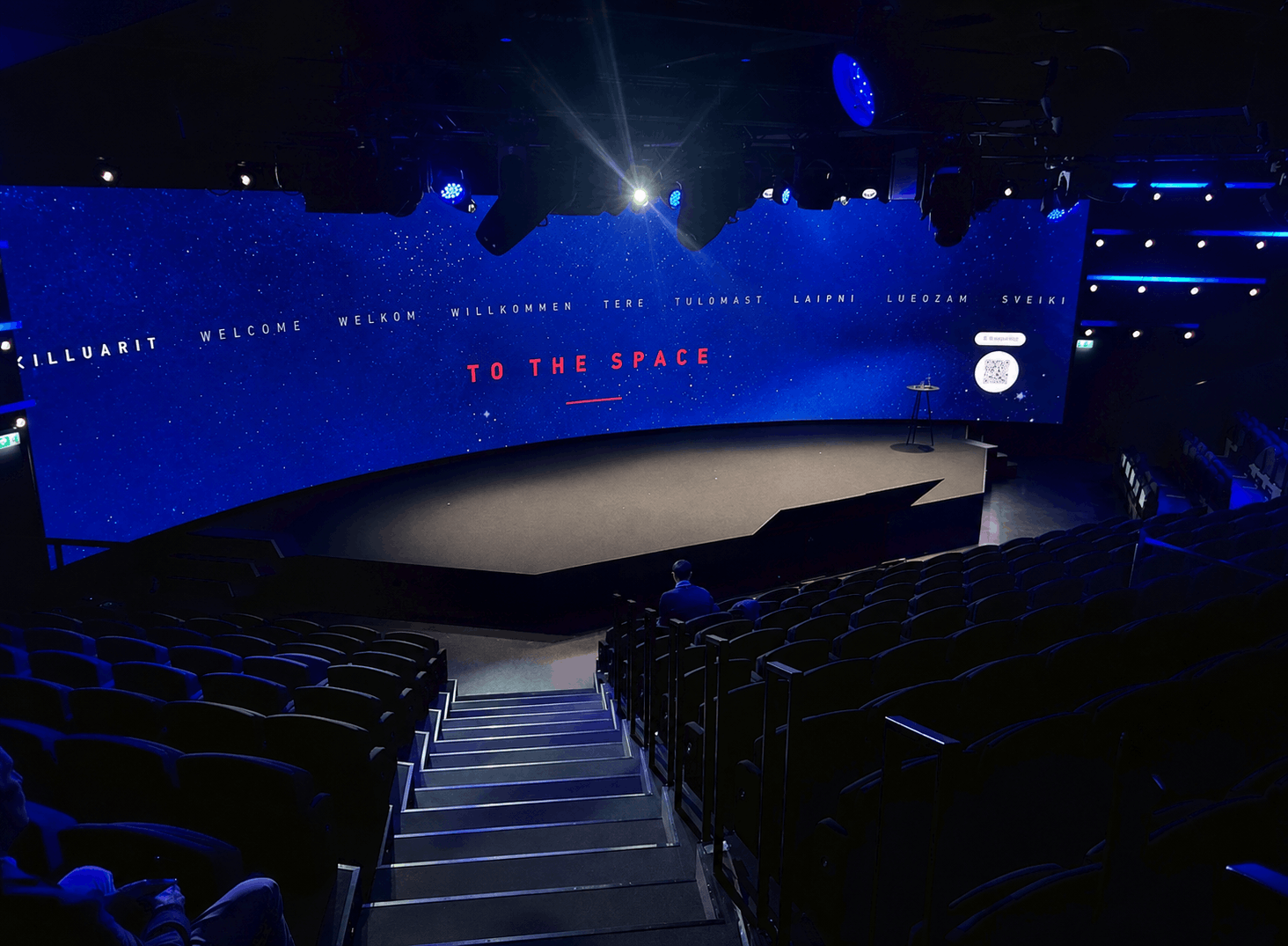
• Theatrical Reveal Choreography: The reveal moment is the emotional climax of the launch. Masterful production teams use blackout lighting transitions, kinetic scenic elements, high-resolution curved LED displays, and custom musical soundscapes to build anticipation before the product is revealed on stage.
• Dedicated Hands-On Discovery Bays: Immediately following the keynote reveal, attendees should transition into curated demonstration labs where they can touch, test, and experience the new product under the guidance of product architects and engineers.
• Integrated Media and Influencer Broadcast Lounges: Equip the venue with dedicated, acoustically insulated broadcast studios featuring high-speed fiber internet and professional studio lighting. Technology journalists and industry analysts can conduct executive interviews and record podcast episodes on site without background noise.
Re-Engineering the Trade Show Footprint: Three-Tier Architectural Zoning
When activating within an official industry convention hall, a 20×20 or 30×30 island exhibit must be architecturally structured to serve three distinct phases of customer engagement:
• Zone 1: The Open Greeting Perimeter: The perimeter must feel open and welcoming, with zero physical barrier counters obstructing pedestrian flow. Position interactive touch tables or touchscreen kiosks near the aisle edge, allowing passersby to explore intuitive 60-second product configurators or interactive brand stories at their own pace.
• Zone 2: The Hands-On Demonstration Core: Once an attendee steps across the booth threshold, they enter the interactive demonstration area. Here, specialized product experts guide qualified prospects through personalized software workflows, architectural hardware models, or interactive simulations.
• Zone 3: The Semi-Private Executive Hospitality Lounge: The center or rear of the footprint should feature a private, acoustically treated executive lounge. Featuring comfortable lounge seating, private meeting tables, and staffed espresso or beverage hospitality, this space allows senior sales executives to conduct closed-door strategic discussions away from convention floor noise.
Strategic Comparison: Conventional Exhibition Displays vs. Experiential Architectural Activations
The contrast between legacy trade show booths and modern experiential activations reflects a fundamental evolution in corporate engagement strategy. The comparison below illustrates these operational differences, incorporating illustrative engagement benchmarks derived from industry research and reported event performance data.
| Engagement Dimension | Conventional Trade Show Booth | Experiential Architectural Activation |
| Average Attendee Dwell Time | 45 to 90 seconds (typical passive booth benchmark) | 8 to 15 minutes (illustrative immersive benchmark based on interactive engagement studies) |
| Lead Capture Telemetry | Generic badge scanning resulting in cold, unqualified contact lists | Contextual digital telemetry logging specific product interests and demonstrated features |
| Executive Meeting Space | Awkward standing conversations held in loud, crowded public aisles | Acoustically treated, semi-private hospitality lounge designed for executive briefings |
| Brand Perception | Viewed as an interchangeable vendor within a crowded commodity category | Positioned as an authoritative industry pioneer, innovator, and category leader |
| Sales Pipeline Acceleration | Slow post-show email outreach with low response rates | Accelerated deal cycles driven by pre-booked on-site executive meetings and live agreements |
| Staff Utilization | Staff standing passively behind display tables waiting for visitors | Specialized team roles with structured four-hour shift rotations and dedicated hosts |
*Illustrative industry benchmarks. Actual dwell time varies depending on event format, audience, activation design and measurement methodology.
Multisensory Design: Lighting Contrast, Acoustic Comfort, and Biophilic Textures
Exhibition halls are notoriously fatiguing environments: harsh overhead fluorescent lights, concrete floors, and relentless background hum drain attendees’ physical and mental energy. Leading experiential designers use sensory architecture to create an inviting oasis that naturally attracts visitors:
• Warm Contrast Lighting vs. Harsh Hall Floods: Bathe your activation footprint in warm, directional architectural lighting. Theatrical pin-spots focused on product displays and soft perimeter accent lighting create visual contrast that naturally separates your space from the sterile convention hall.
• Acoustic Absorption and Cushion Flooring: Never install thin commercial carpet directly over concrete flooring. Deploy double-density high-rebound closed-cell foam padding beneath premium low-pile carpeting or engineered hardwood flooring. When attendees step onto your cushioned floor, the physical relief is instantaneous, encouraging extended dwell time.
• Biophilic Finishes and Natural Textures: Incorporate organic materials such as warm European oak slats, textured architectural stone accents, and preserved living botanical walls. These natural elements introduce visual serenity, transforming your booth into an inviting sanctuary amidst the sensory chaos of the convention floor.
• Focused Directional Audio Showers: If your space includes video presentations or interactive demo stations, avoid blasting loud audio into neighboring aisles. Deploy directional ceiling-mounted ultrasonic sound showers that direct crisp audio exclusively to the person standing directly in front of the display.
Pre-Event Account-Based Marketing (ABM) and Tracking Real Commercial Telemetry
The most successful experiential activations do not rely on random foot traffic to achieve their business objectives. High-performing enterprise organizations execute synchronized Account-Based Marketing campaigns weeks in advance:
• Target Account Meeting Sequences: Six weeks prior to the event, sales and marketing teams identify target enterprise accounts attending the summit or working in the host city. Account executives extend personalized invitations offering reserved access to the private executive hospitality lounge, custom culinary tastings, and one-on-one briefing sessions with corporate leadership.
• Measuring Commercial Telemetry Over Vanity Scans: Rather than judging event success solely by raw badge scans, measure meaningful engagement metrics: average dwell time per visitor, interactive demo completion rates, executive briefings conducted, and pipeline value influenced. Tracking these metrics provides executive leadership with clear evidence of marketing ROI.
• Instant CRM Integration and Rapid Follow-Up: Equip booth concierges and product specialists with digital tablets that log specific conversation insights and customer requirements in real time. Synchronizing these records directly with enterprise CRM platforms enables sales representatives to initiate tailored follow-up communications within 24 hours of the meeting.
Frequently Asked Questions Regarding B2B Experiential Brand Activations
• What is a recommended budget allocation framework for an experiential activation: As an illustrative enterprise planning framework, many teams allocate approximately 45% of budget to physical architecture, custom fabrication, and scenic design; 30% to interactive AV technology, lighting, and digital content; 15% to hospitality, catering, and staffing enablement; and 10% to logistics, shipping, and drayage management. This breakdown serves as an illustrative starting model that can be tailored to specific venue types and activation scopes.
• Can modular experiential exhibit components be repurposed across multiple events: Yes. Elite production agencies engineer modular structural aluminum frameworks and interchangeable graphic panels that adapt effortlessly to different footprint sizes—such as 10×20 inline spaces, 20×20 islands, or standalone pop-ups—maximizing your return on capital investment across multiple years.
• How far in advance should an enterprise begin planning a major brand activation or pop-up: Custom experiential activations typically require four to six months of development. This timeline accounts for architectural 3D rendering, municipal permit approvals, custom millwork fabrication, interactive software testing, and advance logistics coordination.
• How do you coordinate municipal permits for urban pop-ups in cities like Los Angeles or New York: An experienced experiential agency manages municipal approvals, including commercial occupancy permits, fire marshal plan reviews, food and beverage health department clearances, and temporary building permits, ensuring full regulatory compliance.
Work With Vision Spotlight Ready to turn your next product launch, pop-up or trade show presence into an experience people remember? Share your brief with Vision Spotlight and let’s turn your vision into reality – get in touch with our team.